

Before you assume a failing AC system means a full out-of-pocket replacement, it’s worth a few minutes to check whether the warranty is still active. Manufacturer warranties on AC systems commonly run 10 years on parts, sometimes longer, and a lot of homeowners either forget they exist or assume coverage lapsed when it hasn’t.
Here’s how you can find out, and what tends to void coverage before it should.
How to Find Your Warranty Information
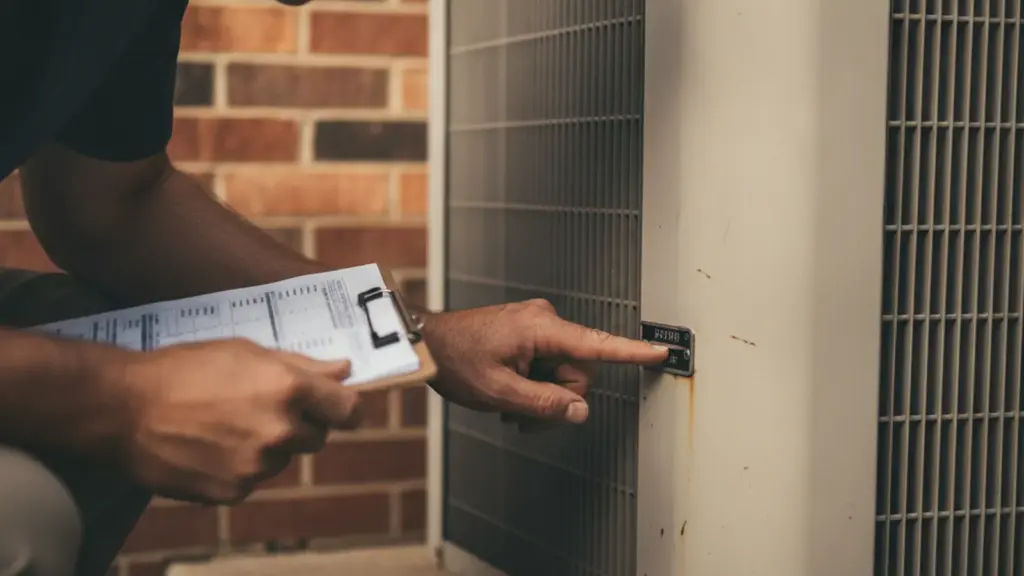
Check the unit’s model and serial number. These are on a metal plate on the outdoor condenser. Manufacturers can look up registered warranty status directly from this information.
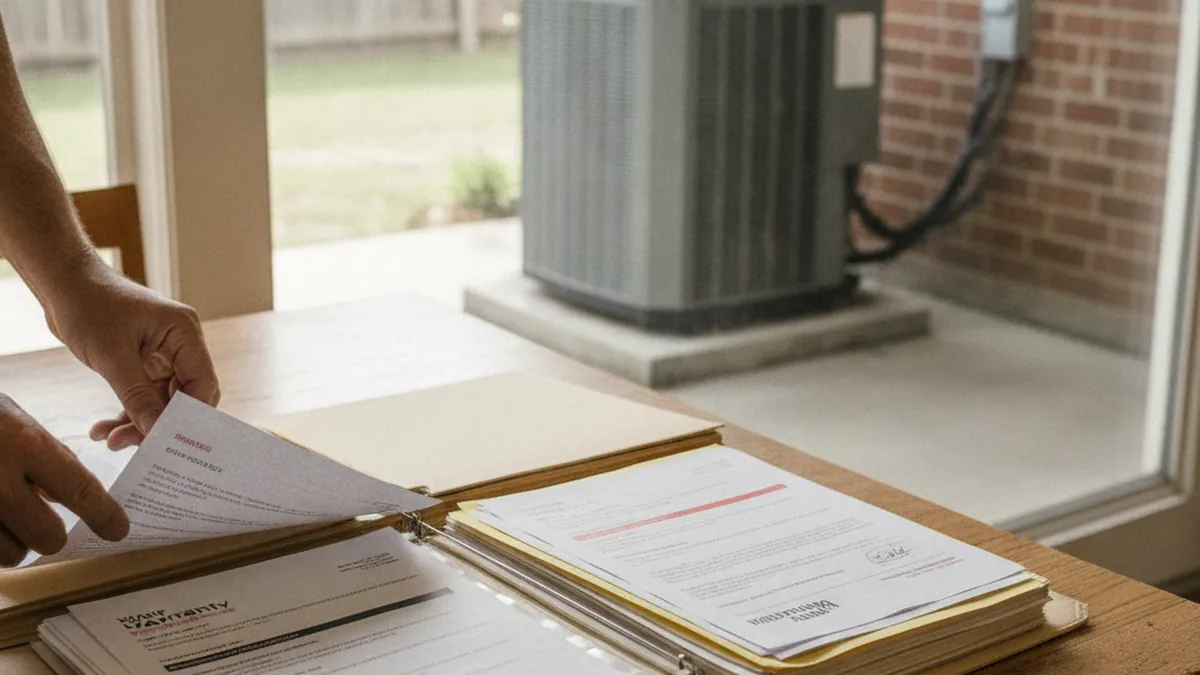
Look for registration paperwork. Many manufacturer warranties require registration within 60 to 90 days of installation to get the full extended term, unregistered units often default to a shorter base warranty.
Check with the installing contractor. If Mission Air Conditioning or another company installed your system, they’ll have the install date and paperwork on file, which speeds up a warranty lookup considerably.
Call the manufacturer directly. Carrier, Trane, Lennox, and other major manufacturers can verify warranty status by serial number even without your paperwork in hand.
What a Warranty Typically Covers (and What It Doesn’t)
Most manufacturer warranties cover parts, the compressor, coils, and other major components, for a set number of years. Labor is a separate matter: some installers include a labor warranty for a shorter period (often 1 to 2 years), after which you’d cover the labor cost even if the part itself is still under manufacturer warranty.
What commonly voids or limits coverage:
- No proof of regular maintenance. Many manufacturers require documented annual service to keep the warranty valid, this is one of the most common reasons a claim gets denied.
- Non-professional installation or repairs. DIY work or repairs by an unlicensed technician can void coverage.
- The original owner didn’t register the unit. Depending on the manufacturer, this can reduce the warranty term significantly.
What Happens When a Warranty Claim Doesn’t Cover Everything
Even with an active warranty, it’s common for parts to be covered while labor isn’t, or for a claim to cover most but not all of a repair. When that gap exists, financing the difference is often more practical than paying it all upfront, especially if the alternative is a full system replacement instead of a covered repair.
Frequently Asked Questions
My AC is 8 years old. Could it still be under warranty?
Possibly, many manufacturer warranties run 10 years or more on parts if registered. It’s worth checking before assuming you’re on your own for the cost.
What if I don’t have maintenance records?
Check what you do have, receipts, invoices, even a technician’s business card from a past visit can sometimes help. Going forward, keeping records protects any warranty claim down the line.
Does Mission Air Conditioning help with warranty claims?
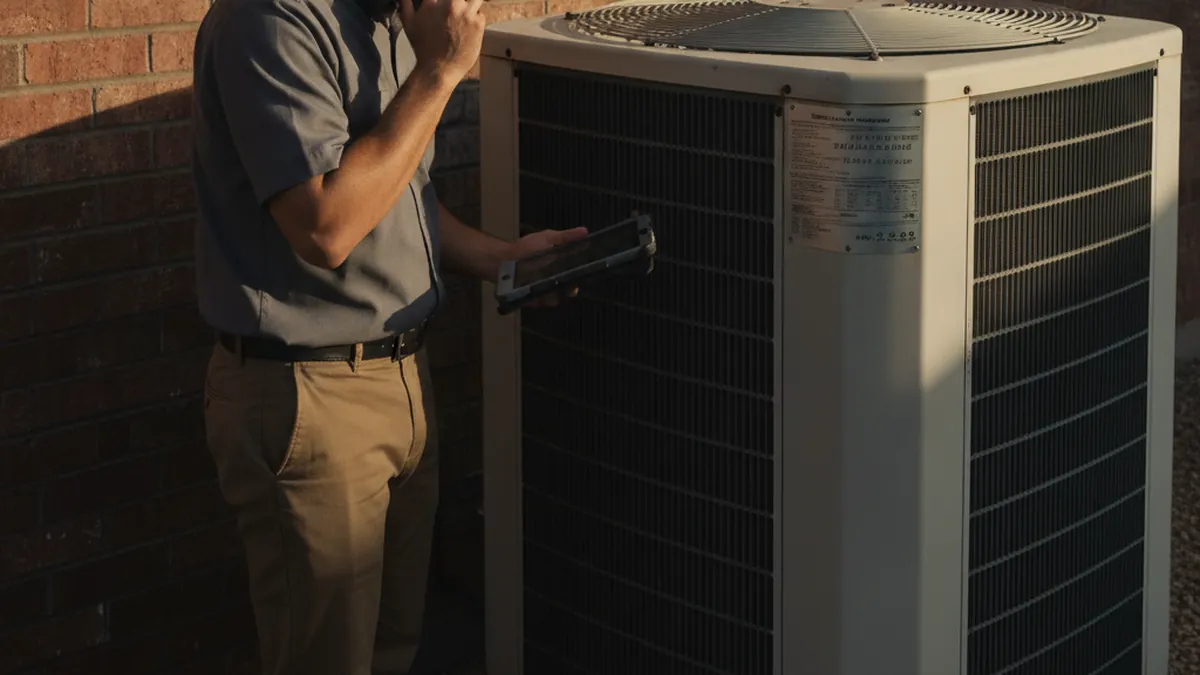
Yes, when we diagnose an issue on a system we might be able to identify if it is still under manufacturer warranty, we help walk you through what’s covered and what the process looks like.
The Bottom Line
A failing AC doesn’t automatically mean a full-price replacement. Check the warranty status before assuming otherwise, it takes a few minutes and could save a significant amount if the system, or at least the major components, is still covered.
Not sure what’s covered? Schedule a diagnostic visit with Mission Air Conditioning, and we’ll help you figure out what applies before recommending next steps.