


A lot of older McAllen homes, especially in some of the historic and established neighborhoods, were never built with central ductwork in mind. If you’ve assumed that means central AC isn’t an option without a major, expensive retrofit, that’s not quite right. Ductless mini-split systems solve exactly this problem, and for a lot of homes without existing ducts, they’re a genuinely better fit than tearing open walls and ceilings to add them.
Why Older Homes Often Don’t Have Ductwork
Homes built before central air became standard were often designed around window units, evaporative cooling, or no mechanical cooling at all. Retrofitting full ductwork into a home that wasn’t designed for it means running ducts through walls, ceilings, or crawl spaces that weren’t built to accommodate them, which is invasive, disruptive, and expensive.
How Ductless Mini-Splits Solve This
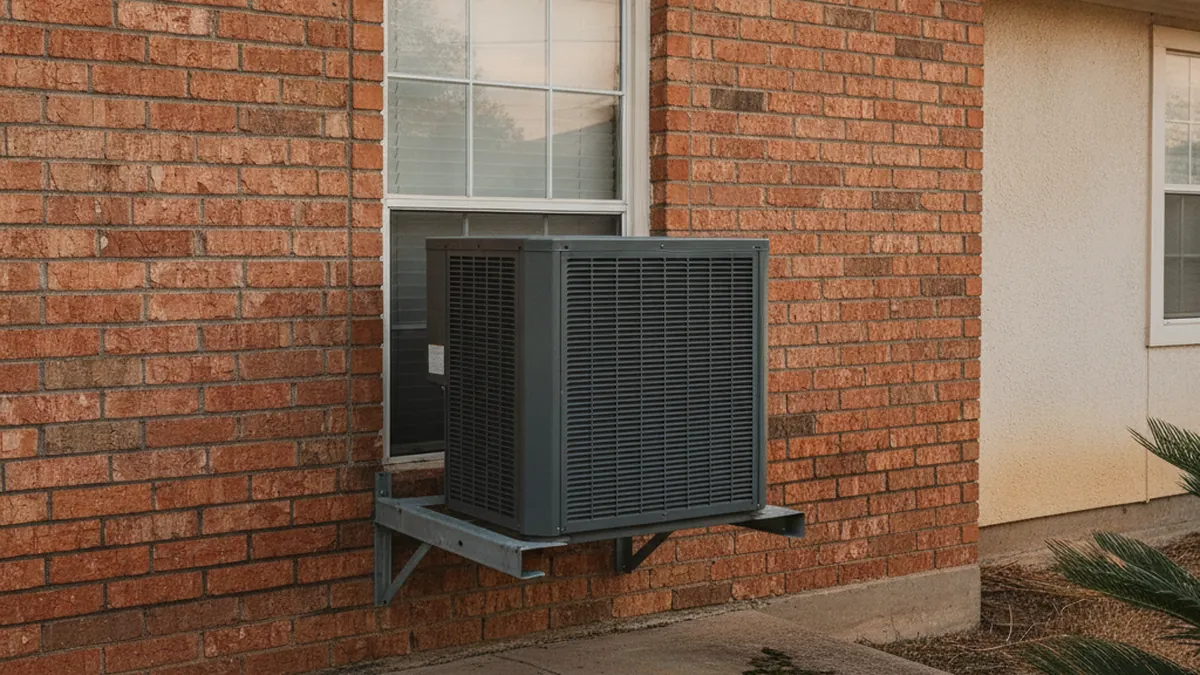
A ductless system uses an outdoor condenser connected to one or more indoor air-handling units mounted directly on interior walls, with no ductwork required. Each indoor unit cools the specific room or zone it’s installed in, connected to the outdoor unit through a small conduit (just a few inches in diameter) rather than a full duct network.
This means installation is far less invasive than adding ductwork. You don’t have to tear open walls or ceilings, no lost closet or attic space for duct runs, and you’ll have a noticeably shorter installation timeline.
Where Ductless Makes the Most Sense
Homes with no existing ductwork. The clearest case, avoiding a full duct retrofit is a major cost and disruption saving.
Room additions or converted spaces. A sunroom, garage conversion, or addition that the original central system wasn’t designed to cool is a common ductless use case even in homes that do have ducts elsewhere.
Zoned comfort preferences. Because each indoor unit operates independently, ductless systems let you cool only the rooms in use, which some homeowners prefer over a single whole-home setting.
What to Expect Cost-Wise
Ductless systems typically cost more per unit of cooling capacity than a comparable central system, but that gap narrows or disappears once you factor in the cost of adding ductwork to a home that doesn’t have any. For homes without existing ducts, ductless is often the more cost-effective path to real central-style cooling, not a compromise. Getting the sizing right matters just as much here as with a traditional system, our guide on sizing an AC system correctly applies to ductless setups too.
Frequently Asked Questions
Can one ductless system cool a whole house?
They are meant for one room only. The solution to cool a whole houses it to use multi-zone ductless systems that can connect several indoor units to one outdoor condenser, covering a whole home. But it depends on square footage and layout, which is worth a proper assessment.
Are ductless systems as powerful as central AC?
Modern ductless systems perform comparably to central AC for the space they’re serving. The difference is architectural since there are no ducts installed, but there is not a difference in cooling capability.
Is ductless a good option even if I do have some ductwork?
Sometimes. It’s common to use ductless for a specific room an existing central system doesn’t reach well, rather than replacing the whole system.
The Bottom Line
Not having existing ductwork doesn’t mean you’re stuck without real cooling options in your McAllen home. Ductless mini-split systems solve exactly this problem, often at a lower total cost and with far less disruption than adding ductwork from scratch.
Wondering if ductless is right for your home? Schedule a consultation with Mission Air Conditioning, and we’ll walk your space and give you an honest read on what fits.