

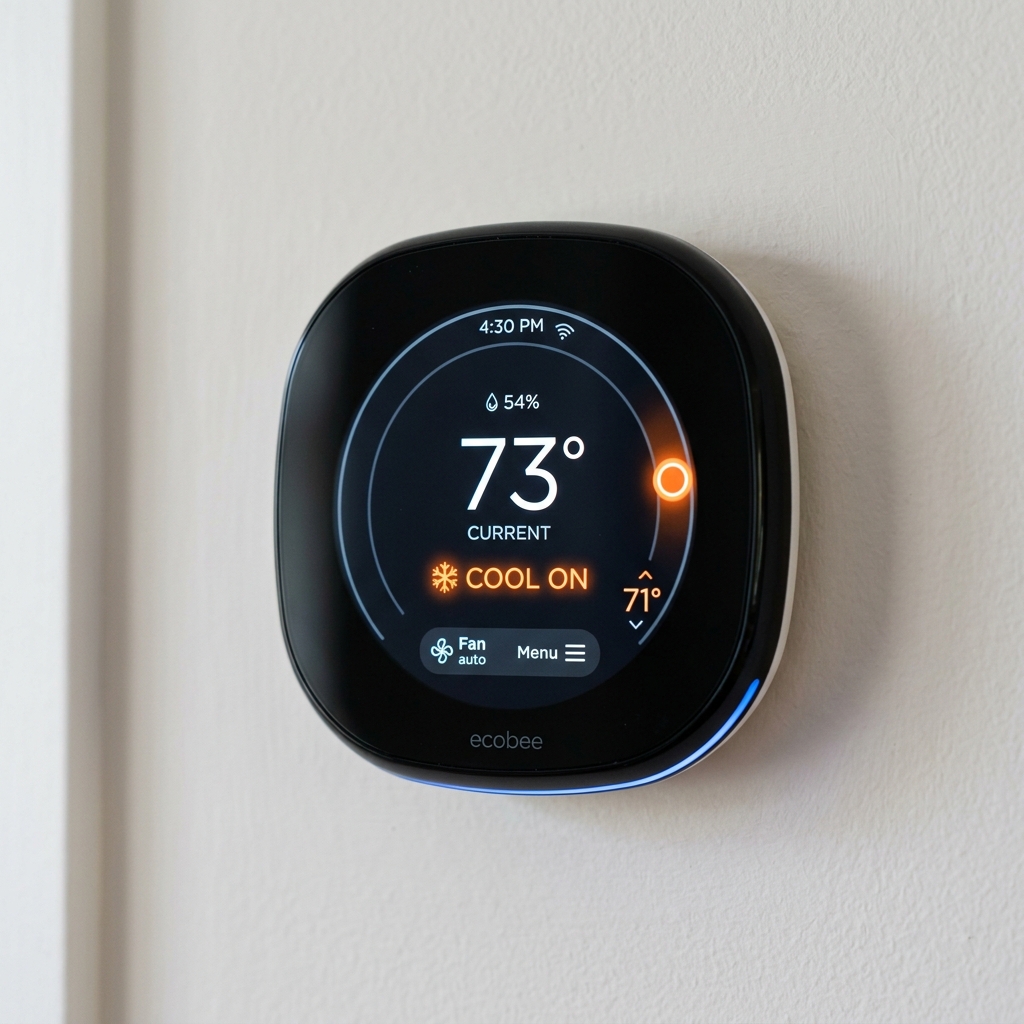
If your AC runs for a few minutes, shuts off, kicks back on a few minutes later, and repeats, that’s called short cycling. It feels like the system is working, but it’s not. Your house doesn’t cool down properly, your energy bill creeps up, and the constant start-stop cycle puts serious wear on the compressor.
In McAllen, where your AC runs almost year-round, short cycling is a problem worth addressing quickly.
What Normal Looks Like vs. Short Cycling
A properly functioning AC runs in cycles of 15–20 minutes, which is long enough to cool the air, remove humidity, and reach the set temperature before shutting off. Then it rests for a few minutes and cycles again.
Short cycling is when those run times shrink to 2–5 minutes. The system starts, runs briefly, shuts off before completing a full cooling cycle, and starts again. You might notice it cycling 4–6 times per hour instead of 2–3.
Most Common Causes of Short Cycling
1. Oversized system
This is the most common cause in new or recently replaced systems. An oversized AC cools the air near the thermostat too quickly, then the thermostat reads the target temperature and shuts the system off before the rest of the house has cooled or before humidity has been adequately removed. A few minutes later the temperature creeps back up and the cycle starts again.
An oversized system would seem to be more powerful, but it’s less effective. It cools in short bursts, never runs long enough to dehumidify the air, and wears out faster from the constant start-stop. If you recently had a system installed and it’s short cycling, the sizing should be re-evaluated.
2. Low refrigerant
When a system is low on refrigerant, pressure drops in the refrigerant circuit. Most modern AC systems have a low-pressure switch that shuts the system down when pressure falls below a safe threshold. The system restarts, runs until pressure drops again, and shuts off again. Low refrigerant means there’s a leak that needs to be found and repaired.
3. Dirty air filter or restricted airflow
A severely clogged filter reduces airflow to the point where the evaporator coil gets too cold and the system shuts off on a freeze protection cycle. If this is the cause, you’ll often see ice forming on the lines or coil. Replacing the filter may solve it, but if short cycling continues after a new filter, the issue is something else.
4. Failing capacitor
The capacitor gives the compressor and fan motors the electrical kick to start running. When a capacitor begins to fail, the system starts, the capacitor can’t maintain voltage, and the system shuts down. Capacitor failures are common in systems over 7–8 years old and are a relatively inexpensive repair, usually around $150–$300.
5. Thermostat issues
A failing thermostat can send erratic on/off signals. If you notice the short cycling correlates with the thermostat display behaving oddly, or if a thermometer held near the thermostat shows a different temperature than what’s displayed, the thermostat may be the culprit.
Why Short Cycling Is So Hard on Your System
Every time your compressor starts, it draws a large current surge, significantly more than it draws while running. Starting and stopping 4–6 times per hour instead of 2–3 means your compressor is absorbing roughly twice the electrical stress it’s designed for. Compressor failure is the most expensive repair in an AC system, often $1,500–$2,500 or more, and short cycling accelerates it.
Beyond compressor wear, short cycling means the system never completes a full dehumidification cycle. In McAllen’s summer humidity, you’ll notice the house feeling sticky and uncomfortable even when the temperature is technically where you want it.
What to Do
Start with the simple things: check and replace the air filter, make sure all supply and return vents are open and unobstructed, and confirm your thermostat is reading correctly. If those don’t resolve it, the next step is a service call.
A technician can check refrigerant pressure, test the capacitor, inspect the low-pressure switch, and evaluate whether the system sizing is appropriate for the home. You can read more about why your AC isn’t cooling the house for a broader look at underperformance.
An older system that’s short cycling along with other signs your AC system is failing may be approaching the point where repair costs outweigh remaining system life. The HVAC tune-up checklist for McAllen homeowners covers what a professional inspection catches before problems like short cycling develop.
Frequently Asked Questions
Is short cycling dangerous for my AC?
Yes, over time, it significantly accelerates compressor wear. The compressor is the most expensive component in your AC system. Repeated short cycling can shorten your system’s lifespan by years and lead to costly repairs.
Can I fix short cycling myself?
You can check and replace the air filter, confirm vents are open, and verify your thermostat settings, all those are DIY-friendly. Anything involving refrigerant pressure or electrical components (capacitor, contactor) needs a licensed technician.
How much does it cost to fix short cycling in McAllen?
It depends on the cause. A capacitor replacement runs $150–$300. A refrigerant leak repair varies based on where the leak is and how much refrigerant was lost. An oversized system is the most complicated scenario because it may require replacing the unit with a correctly sized one.
My new AC is short cycling, is that normal?
No. A newly installed system should not short cycle. If it does, the most likely cause is improper sizing, usually that the unit is too large for the home. Contact the installer and request a load calculation review.
Getting It Diagnosed
Mission Air Conditioning diagnoses and repairs short cycling issues across McAllen and the Rio Grande Valley. Our AC repair services cover refrigerant leaks, capacitor failures, sizing evaluations, and more, we’ll tell you what’s causing it and what it costs to fix before any work starts. Call us or schedule at missionaircon.com.